Pediatric Success Stories
The following case studies are based on real client experiences, however to preserve privacy, all identifying information has been changed.
Eric /Age 5
Challenge
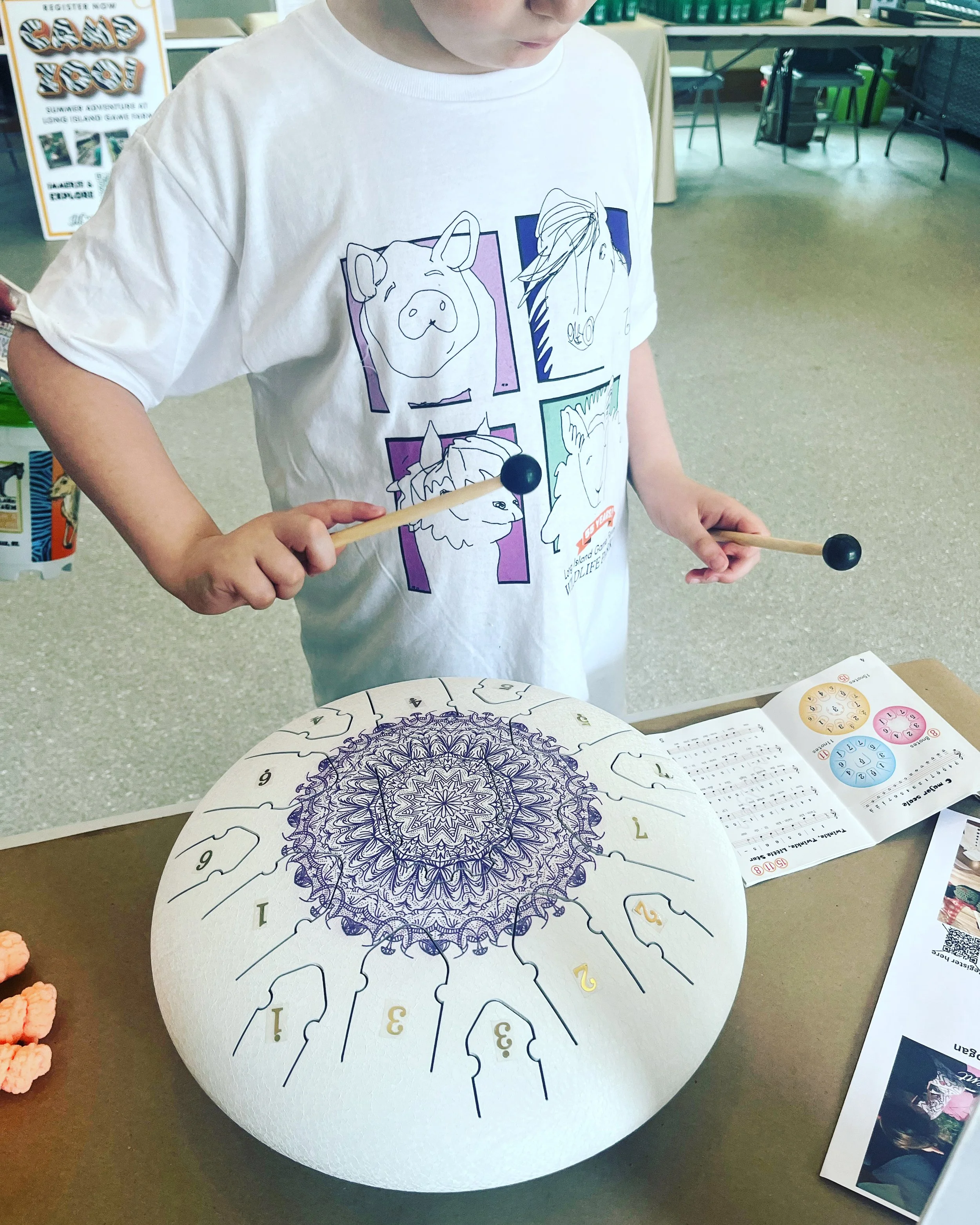
Eric's parents came to me when she was having a hard time with her focus and impulsive behaviors due to her ADHD. Eric was approaching kindergarten, and his parents wanted him to have the tools to self-regulate to be successful in school and daily activities.
Solution
Sensory Alignment Protocol - this service uses sensory processing with sound, mindfulness, and movement activities to regulate the nervous system and follow directions to complete an activity. The Unyte Safe and Sound Protocol is implemented in the session.
Results
After a few sessions, Eric was visibly calmer and more focused on individual tasks. Eric’s carers left the sessions with tools to help themselves, and Eric regulated the nervous system so that they felt more in control when engaged with Eric during various situations and community events. This allowed for more positive interactions, which improved family bonds.

J.B | Age 9
Challenge
J.B.’s parents reached out to me as they noticed she was struggling with feeling overwhelmed while around others and was experiencing social anxiety, which led to more social isolation and playing video games at home. After J.B.’s evaluation, we determined she specifically struggled with sensory overload and would turn to video calms to self-regulate.
Solution
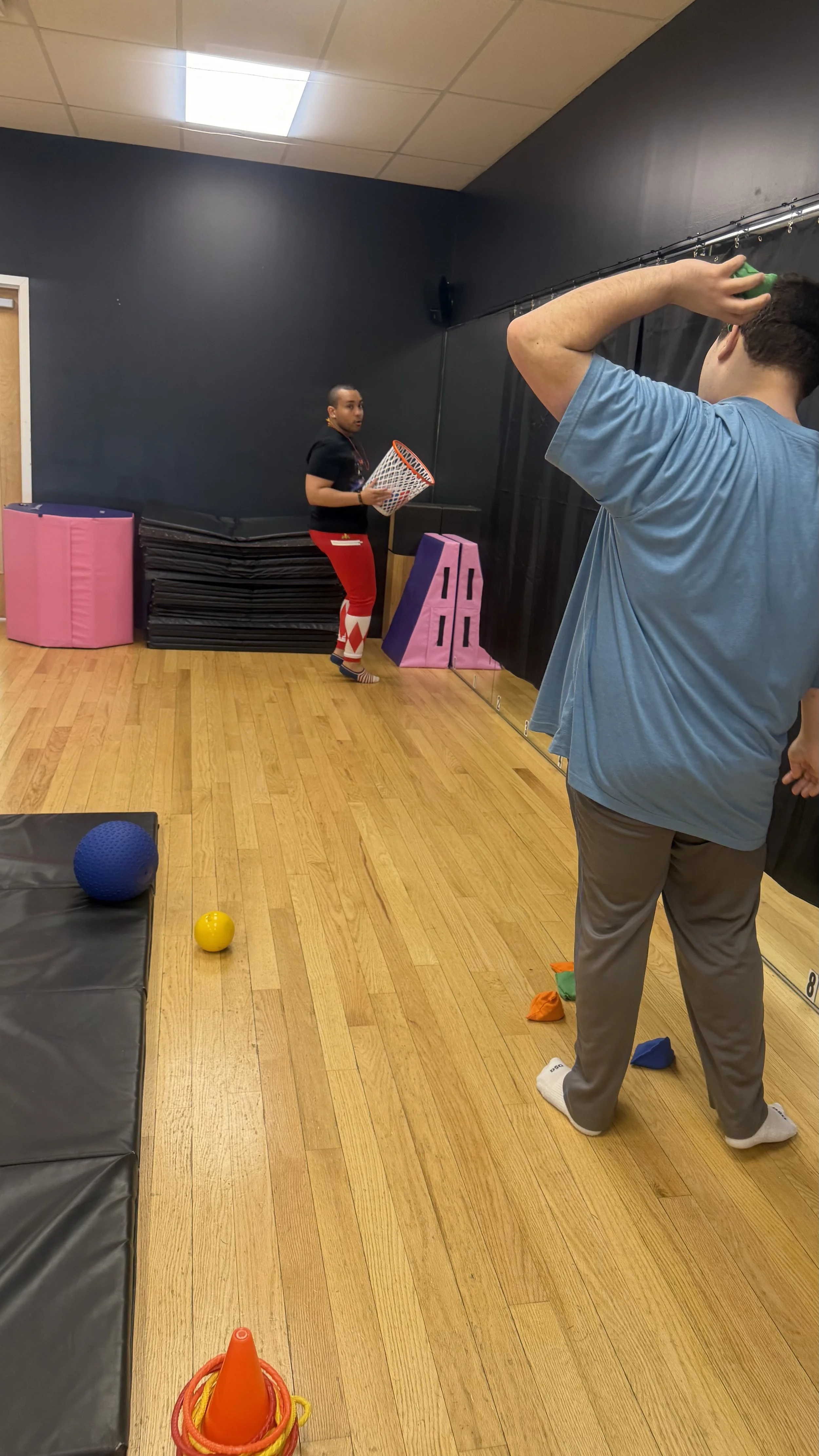
One weekly individual 45-minute group and individual sessions, incorporating movement activities. Our goal was to increase communication and participation with others. Another goal was to improve executive function skills and gross motor coordination to feel confident when engaged in sports, the gym, and playing games with friends. She is smiling and engaging more with the instructor/therapist, other participants during community and group and individual activities.
Results
After a few months of sessions, J.B. shows a decrease in tactile aversions to various textures, allowing for more focus and coordination of learned skills while engaging in sports. She also initiates eye contact with objects and the instructor while communicating and engaging in activities. She is expressing herself appropriately and has learned calming techniques at home and school. According to her carer, J.B. is demonstrating the carryover of learned nervous system regulation techniques, community engagement, and home.
Mikki, age 21
Case Study: Supporting Emotional Regulation and Community Participation
Background
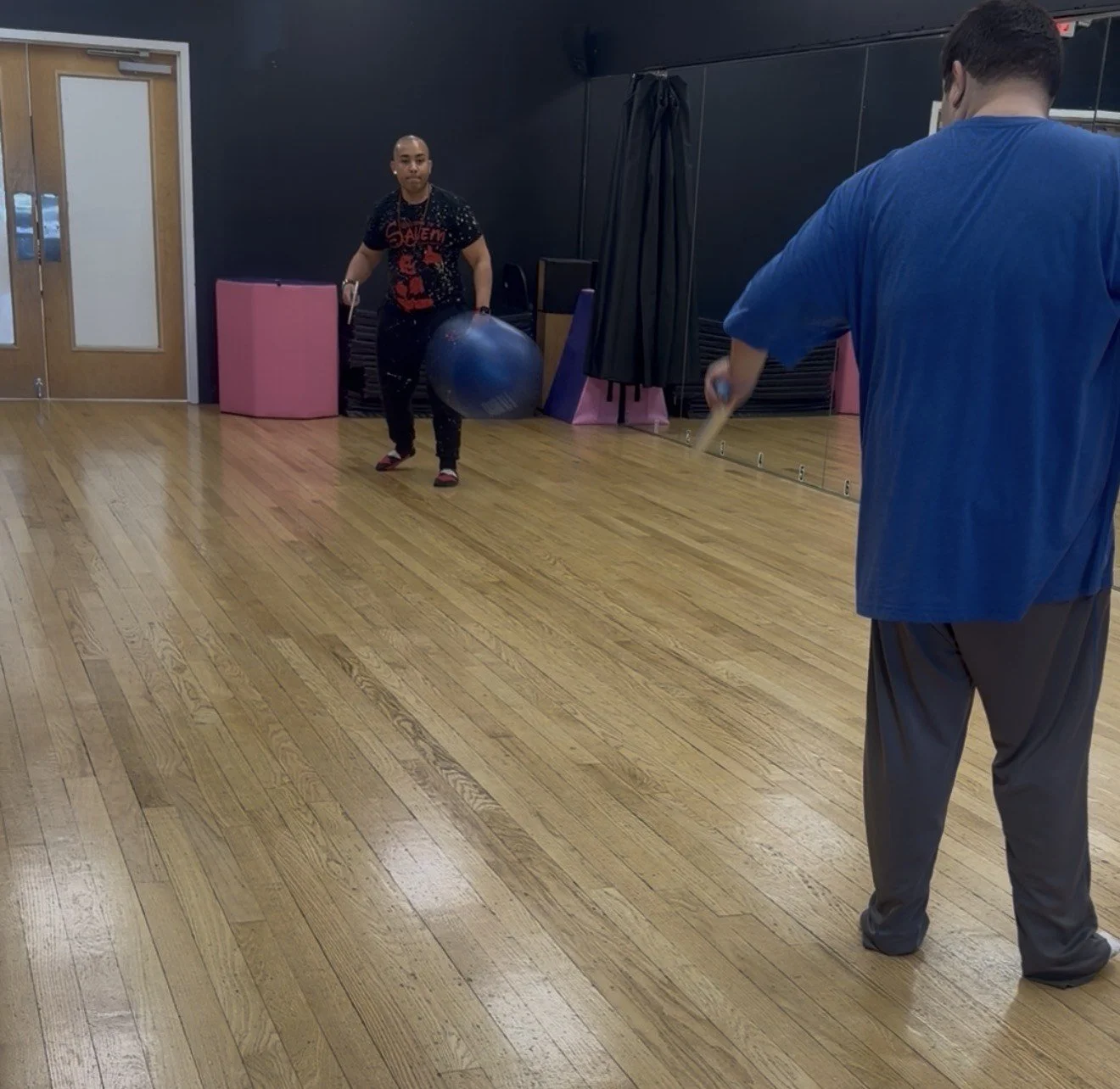
Mikki’s parents sought services after he was repeatedly excluded from community events due to sensory overload, difficulty waiting his turn, and escalating behaviors that frightened other participants. These challenges limited his ability to engage meaningfully in group activities and created stress for both Mikki and his family.
Session
A multimodal, regulation‑focused approach was implemented, incorporating:
Partner yoga
Self‑myofascial release techniques
Sensory input with movement activities that address different body systems (proprioception, nervous, musculature…
Sound‑based and movement‑based activities
These strategies were selected to support emotional and physical regulation, improve body awareness, and increase Mikki’s capacity to participate in community settings. Environmental and activity modifications were also introduced to help him feel more organized, calm, focused, and connected.
Outcomes
After five months, Mikki demonstrated significant progress:
He independently used regulating techniques during sessions.
He followed simple directions with minimal prompting.
His DSP reported successful use of these strategies at home and in the community, helping prevent sensory overload, reduce outbursts, and increase engagement within the community.
He transitioned smoothly into sessions, showing increased focus, eagerness, and consistent participation.
Conclusion
Mikki’s improved self‑regulation skills have enhanced his ability to engage in community activities with fewer behavioral challenges, and he demonstrates a willingness to engage in new and more demanding activities with encouragement. The combination of movement‑based interventions and environmental supports has contributed to greater confidence, smoother transitions, and more positive participation across settings.